"Can play central role" in South Asia: An MP from Sri Lanka's message to India amid unrest in Bangladesh and Nepal
ColomboIn light of the ongoing unrest in Bangladesh and Nepal, a Sri Lankan MP has called for India to play a bigger role in South Asia. The MP for the Hambantota district, Namal Rajapaksa, stated that recent political unrest in nations like Bangladesh, Nepal, and Sri Lanka has frequently been "supported and promoted" by extremist groups.
Rajapaksa stated in a post on X (formerly Twitter) that South Asia needs more regional unity in order to withstand new crises and address common issues as a group. The Sri Lankan MP continued, "India's leadership can play a critical role in maintaining long-term peace and stability in the region."
"South Asia as a whole can project greater influence internationally with aligned goals focused on growth and stability, and in that process, regional unity remains crucial for long-term peace and coherence," he stated. "The forthcoming elections in Bangladesh and Nepal offer a promising chance to reaffirm democratic legitimacy through free and fair elections that will further strengthen regional security."
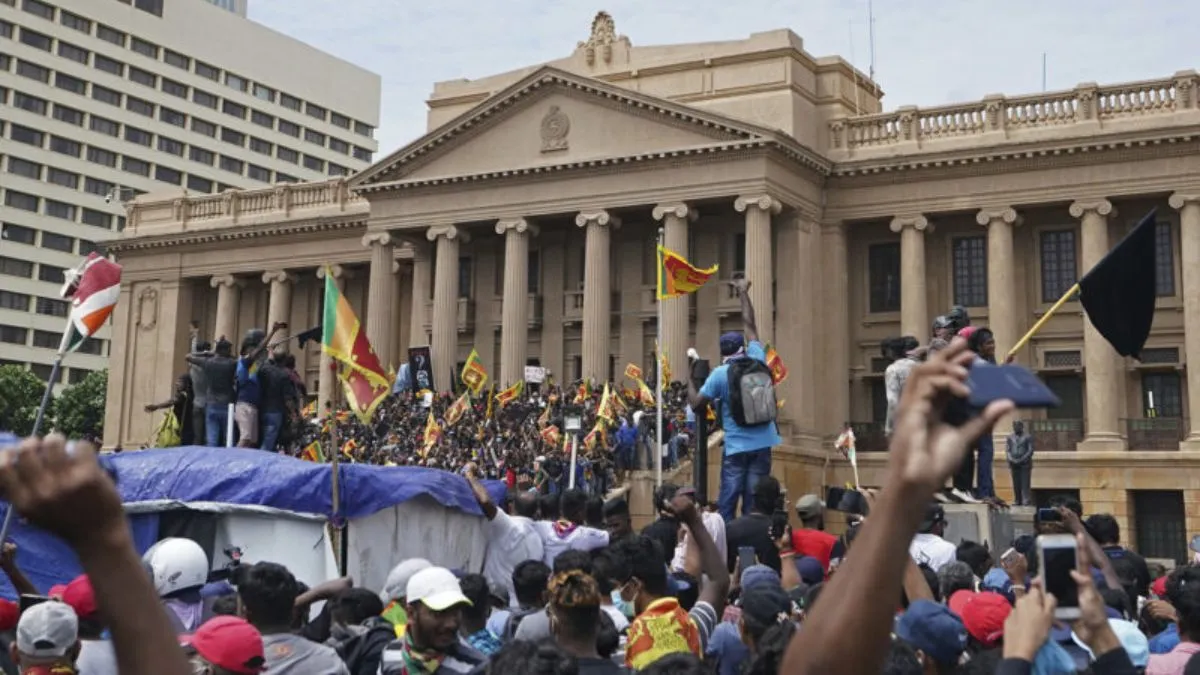
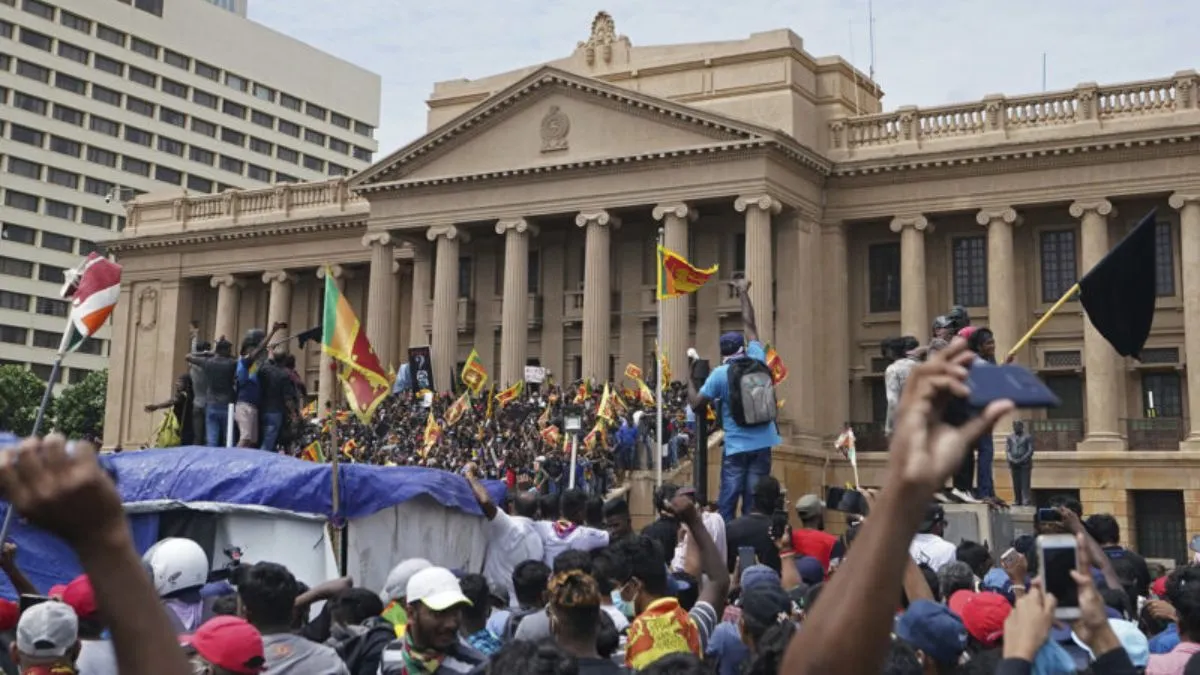
Bangladesh, Nepal, and Sri Lanka's political unrestLarge-scale demonstrations against Prime Minister Mahinda Rajapaksa's administration over how the island nation handled its economic crisis broke out throughout Sri Lanka in 2022. After Mahinda Rajapaksa's government was overthrown by the protests, Gotabaya Rajapaksa, the president at the time, resigned and left the nation.
In 2024, a similar demonstration against Sheikh Hasina's government over the nation's economic circumstances broke out in Bangladesh. Similar to Sri Lanka, Hasina was compelled to step down and fled to India. Later, Mohammad Yunus, an economist, was named head of the interim government in Bangladesh. But since then, Bangladesh has continued to be tense and has seen an increase in violence against Hindus.
Gen Z led a large-scale demonstration against the then-government's social media ban in Nepal last year. In the end, Prime Minister KP Sharma Oli resigned, and Sushila Karki, a former Chief Justice of Nepal, was named head of the interim administration.
ALSO READ: