Trump claims that the US will "make a lot of money" by seizing control of Venezuela's oil reserves.
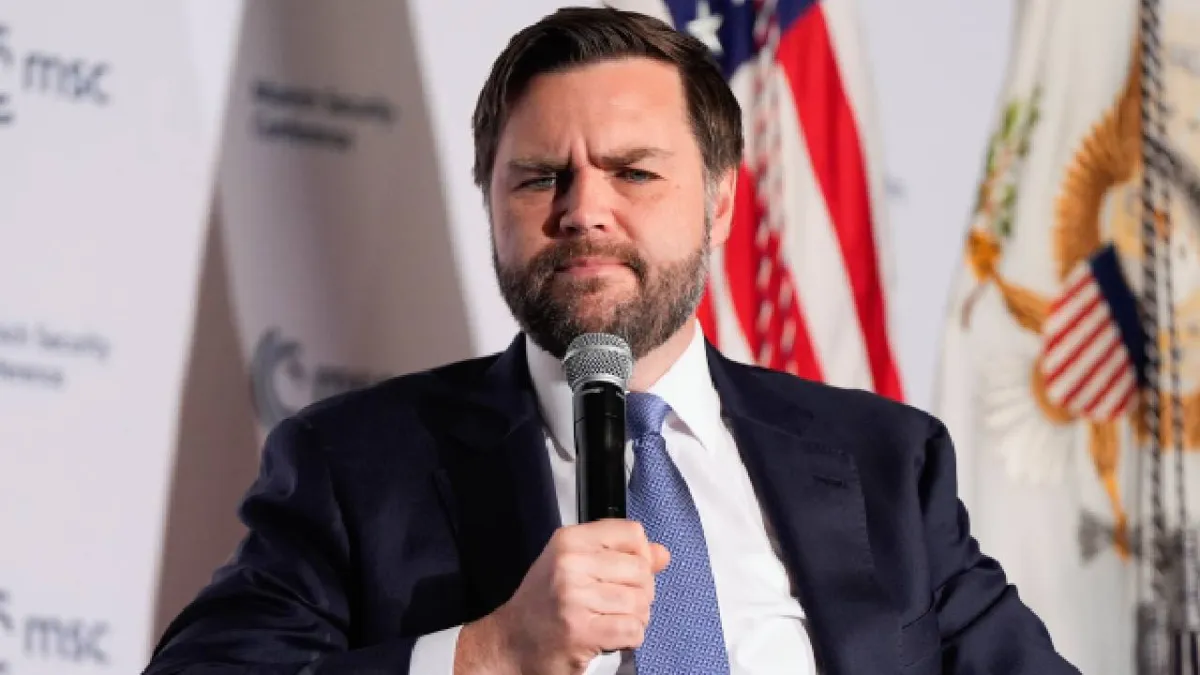
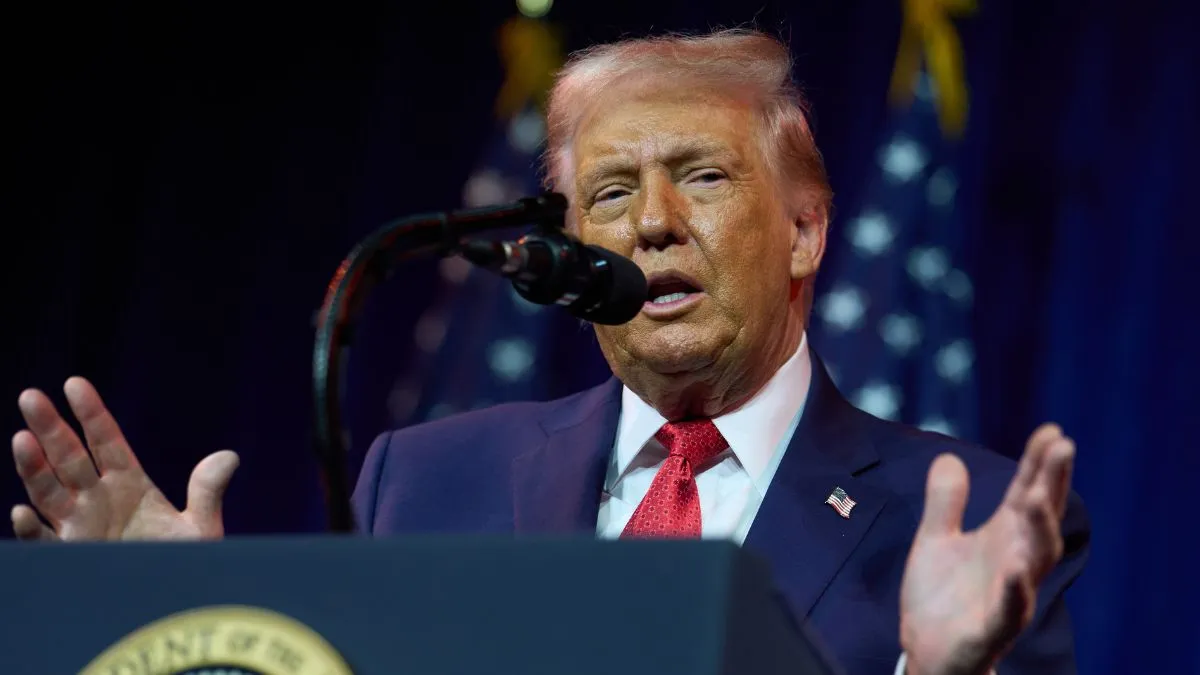
WashingtonThe United States (US) is scheduled to seize control of Venezuela's oil reserves a few days after launching strikes on the country and apprehending President Nicolas Maduro. President Donald Trump has stated that this move would enable Washington to "make a lot of money." The Republican leader, who is 79 years old, added that the US could continue to have direct control over Venezuela for many years.
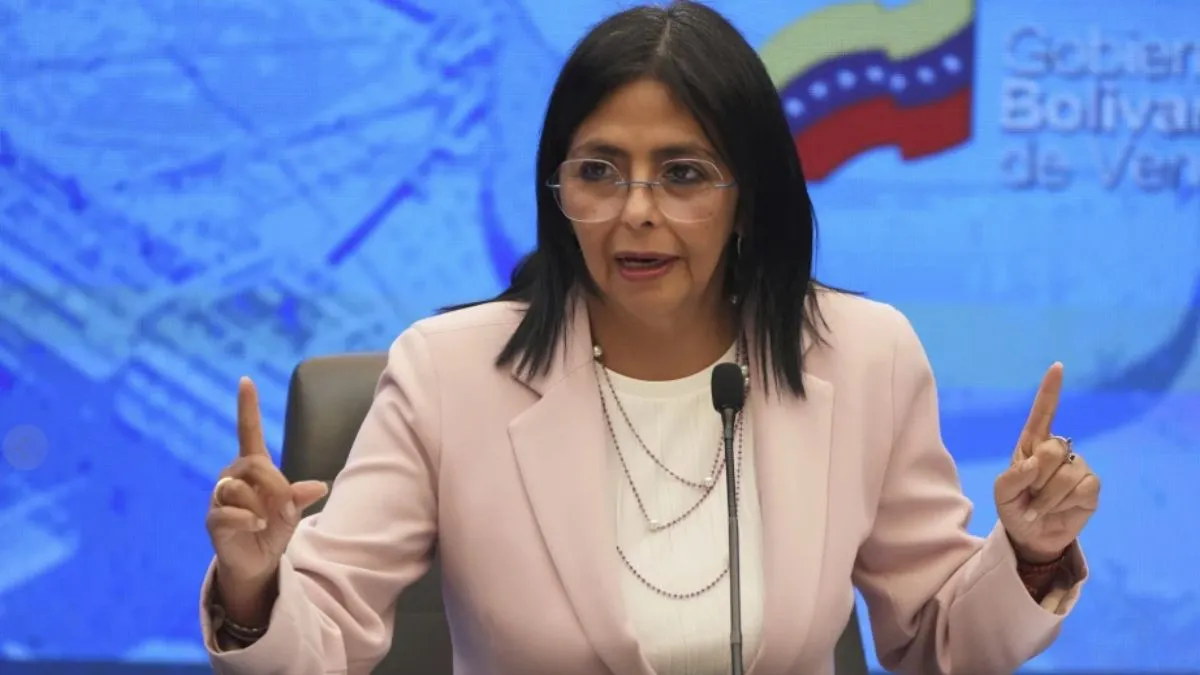
The US is "getting along very well" with interim Venezuelan President Delcy Rodriguez and her administration, Trump added in an interview with The New York Times. He claimed that American oil companies would rebuild Venezuela's energy infrastructure and that the US would not have to pay "anything" to "run" the Latin American nation.
Trump told the newspaper, "Only time will tell... I would say much longer," in response to a question about how long US oversight of Venezuela would last.
"We will rebuild it in a very profitable way," Trump declared. "Oil will be used, and it will be taken. In addition to lowering oil prices, we will provide Venezuela with much-needed funding."
The significance of Venezuela's oil reservesA senior US official had earlier insisted that Washington would continue to regulate Caracas' oil exports indefinitely and that US oversight of Venezuela could last for a long time. Additionally, the US intends to "selectively" lift the sanctions against Venezuela's oil industry.
"We're just going to get that crude moving again and sell it," stated Energy Secretary Chris Wright during a Miami conference on Wednesday. "We're going to market the crude coming out of Venezuela – first this backed-up stored oil and then indefinitely going forward we will sell the production that comes out of Venezuela."
One of the world's biggest oil reserves is found in Venezuela. The Latin American nation has about 303 billion barrels of crude oil in the ground, or roughly 17% of the world's supply, according to an Associated Press (AP) report. The oil reserves there are mostly mapped. However, because of its inadequate infrastructure, Venezuela has not been able to fully realize this potential and only produces 1% of the world's oil.
There will be less oil in the future to meet the world's demand, according to some experts. "If you go to any oil company in the world and ask their geologists or exploration team where they think oil will come from in the 2030s and 2040s, they will tell you, quite frighteningly, that they don't know." According to Claudio Galimberti, chief economist at Rystad Energy, "there is going to be a problem of finding oil in the next few years."
Tensions between the US and Venezuela